Pokhara Prepares for 21st Fewa New Year Festival; 300,000 Visitors Expected
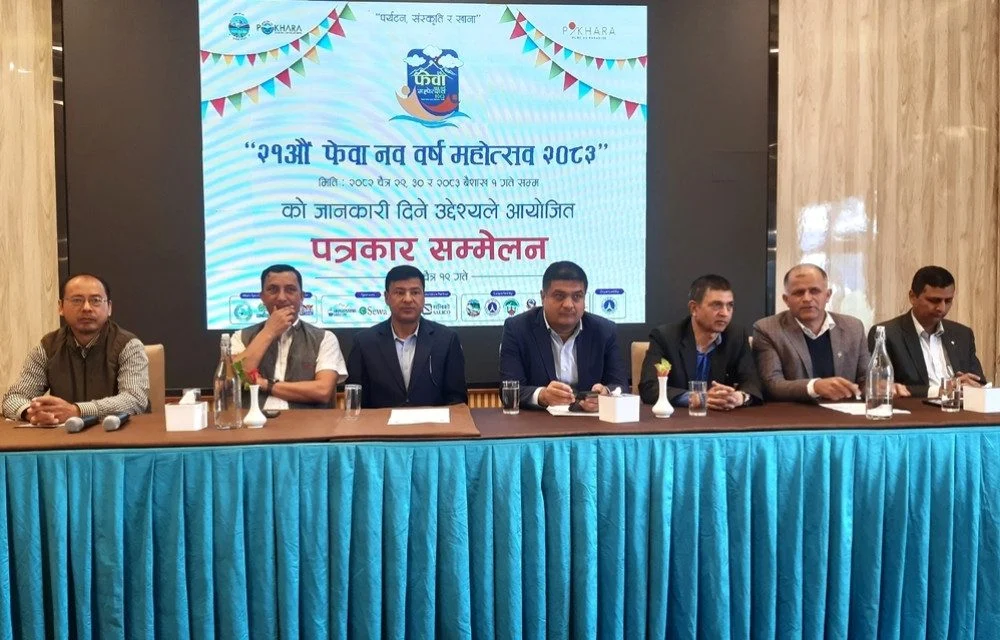
The Hotel Association Pokhara has announced the 21st edition of the Fewa New Year Festival, scheduled to take place at Lakeside from Chaitra 29 to Baishak 1 (April 12–14, 2026). The three-day event, themed around tourism, culture, and food, is expected to attract over 300,000 domestic and international tourists, with hotel occupancy projected to exceed 90%.
Festival Highlights: Music, Food, and Culture
The festival will transform the 3-kilometer stretch from Khahare chowk to Shahid Chowk into a vibrant pedestrian zone. Major highlights include:
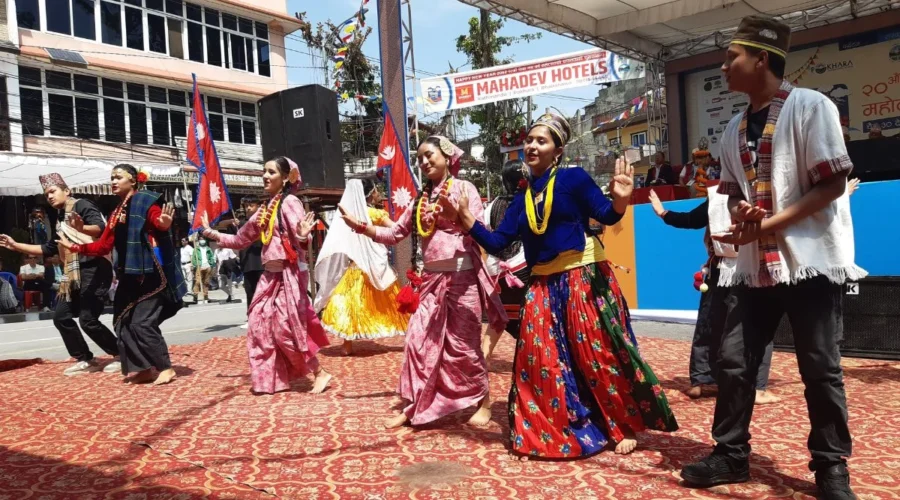
- Cultural Procession: A colorful tableau (Jhaki) featuring traditional dances and music.
- Live Entertainment: Pop concerts, traditional Lok Dohori performances, and folk music.
- Gastronomy: Numerous street food stalls showcasing local and international cuisines.
- Competitions: Traditional Panchebaja competitions and a unique “Tourist Race.”
Exclusive Discounts and Digital Offers
To encourage high turnout, the Hotel Association has announced significant financial incentives for visitors:
- 25% Discount: Participating hotels will offer a flat 25% discount on their published room rates.
- 10% e-Sewa Cashback: In a move to promote digital tourism, guests booking through e-Sewa will receive an additional 10% cashback.
The “Jaun Hai Pokhara” Campaign
n the lead-up to the festival, a 19-member promotional team conducted the “Jaun Hai Pokhara” (Let’s Go to Pokhara) campaign from March 23 to 27. The team traveled through major cities in the Koshi and Lumbini Provinces, including Birgunj, Biratnagar, and Hetauda, to invite residents and strengthen inter-regional tourism ties.
A Legacy of Resilience: History of the Festival
The Fewa New Year Festival holds deep historical significance for Pokhara. It was first launched in the early 2060s BS (early 2000s AD). During that period, Nepal was facing political instability and civil conflict, which had caused a severe decline in tourism.
Local entrepreneurs created the festival to prove that Pokhara remained a safe and vibrant destination. What started as a small effort to promote “Internal Tourism” has now evolved into a massive annual tradition, helping Pokhara earn its official title as the “Tourism Capital of Nepal.”
Economic Impact
With an investment of over 600 billion rupees in Pokhara’s hospitality sector and nearly 1,200 hotels providing employment to 15,000 people, the festival is a critical driver for the local economy.
Laxman Subedi, President of the Hotel Association Pokhara, emphasized that the event also serves a higher purpose: raising awareness for the conservation of Fewa Lake.