The Hidden Meaning of Jhapa and Birtamod: Why the Name of Your Hometown is a 1,000-Year-Old Secret
If you live in Jhapa, you know it as the “Green Gateway” of Nepal. But have you ever stopped to think why the district is called Jhapa? Or why its busiest hub is named Birtamod? The answers aren’t just in history books; they are hidden in the languages of the indigenous tribes who first settled these fertile plains.
Jhapa: The Land of the “Covered” Forest:
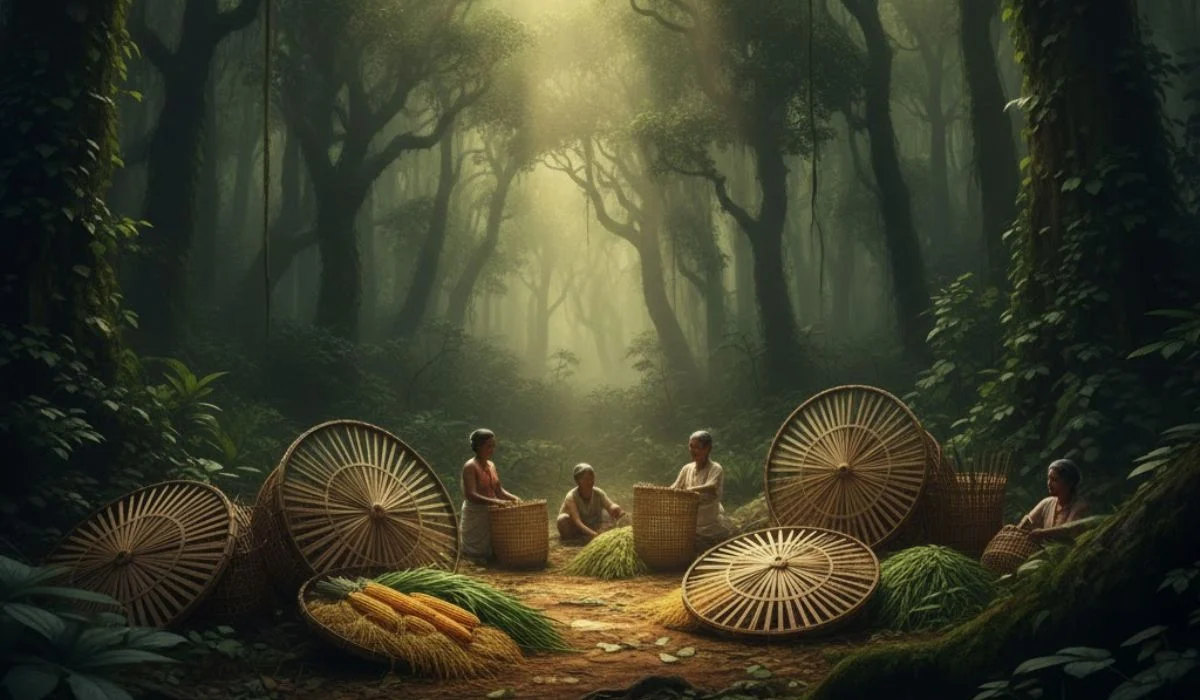
The name “Jhapa” comes from the Rajbanshi (Surjapuri) language. In their tongue, the word ‘Jhapa’ is a verb that means “to cover.”
But what was being covered? Centuries ago, this region was a dense, impenetrable jungle. Legend says the name refers to the thick canopy of trees that “covered” the earth, hiding the soil from the sun. Another local myth suggests it refers to the traditional bamboo baskets or “Jhap-pya” used by early settlers to cover and protect their harvest from the heavy monsoon rains of the east.
Birtamod: A Legacy of “Free Land”
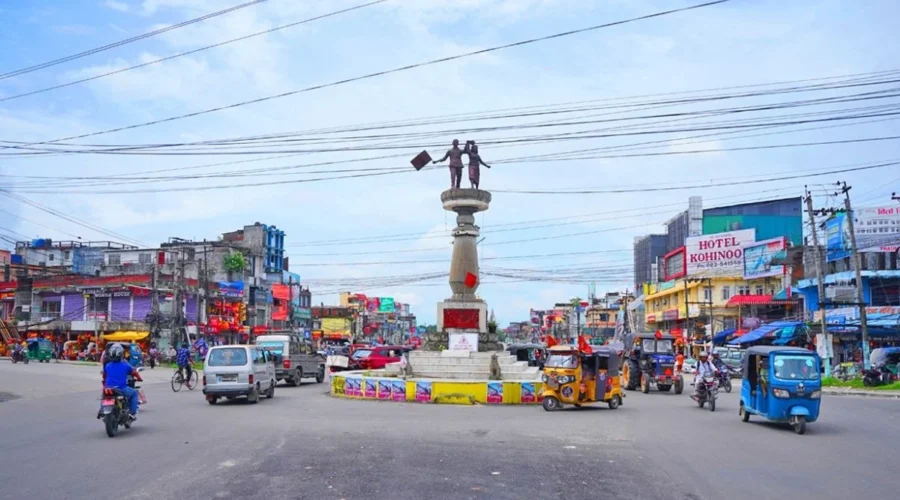
Birtamod wasn’t always the concrete hub it is today. Its name is a combination of two very specific words: ‘Birta’ and ‘Mod’.
- ‘Birta’: In old Nepal, this referred to land granted by the state to individuals (often as a reward for service) that was tax-free and inheritable. Much of the land in today’s Birtabazar was originally “Birta” land.
- ‘Mod’: This simply means a “turn” or “bend” in the road.
As the East-West Highway was built, the “turn” for Birtabazar became the primary meeting point for traders. People began saying, “Meet me at the Birta-Mod” (the turn at the Birta land). Over time, the name stuck, and a quiet forest crossing transformed into Jhapa’s commercial heart.